-
Building a Safer Future for the Maldives
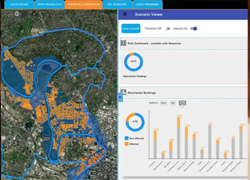
The DMADD Project aims to develop an innovative, impact-based Multi-Hazard Early Warning System (MHEWS) for the Maldives. By harnessing digital technology and collaboration between key agencies, this initiative focuses on enhancing climate resilience, ensuring the safety of communities, and enabling timely responses to natural hazards, especially in Fuvahmulah City.


-
-
Collaboration for Climate Resilience
The DMADD Project is led by the Ministry of Climate Change, Environment, and Energy (MoCCEE) of the Maldives, with support from the World Bank. Key partners include the Maldives Meteorological Service (MMS), National Disaster Management Authority (NDMA), and the University of Salford’s THINKlab. THINKlab brings expertise in digital solutions and multi-hazard forecasting, playing a vital role in developing the innovative early warning system for Fuvahmulah City. Together, we work to strengthen disaster preparedness and response in the Maldives.
-
Contact Us
Reach out to the University of Salford THINKlab team for more information on how we are building a safer and more resilient future through the DMADD Project.